Medicinal Garden WELL-BEING PATTERN

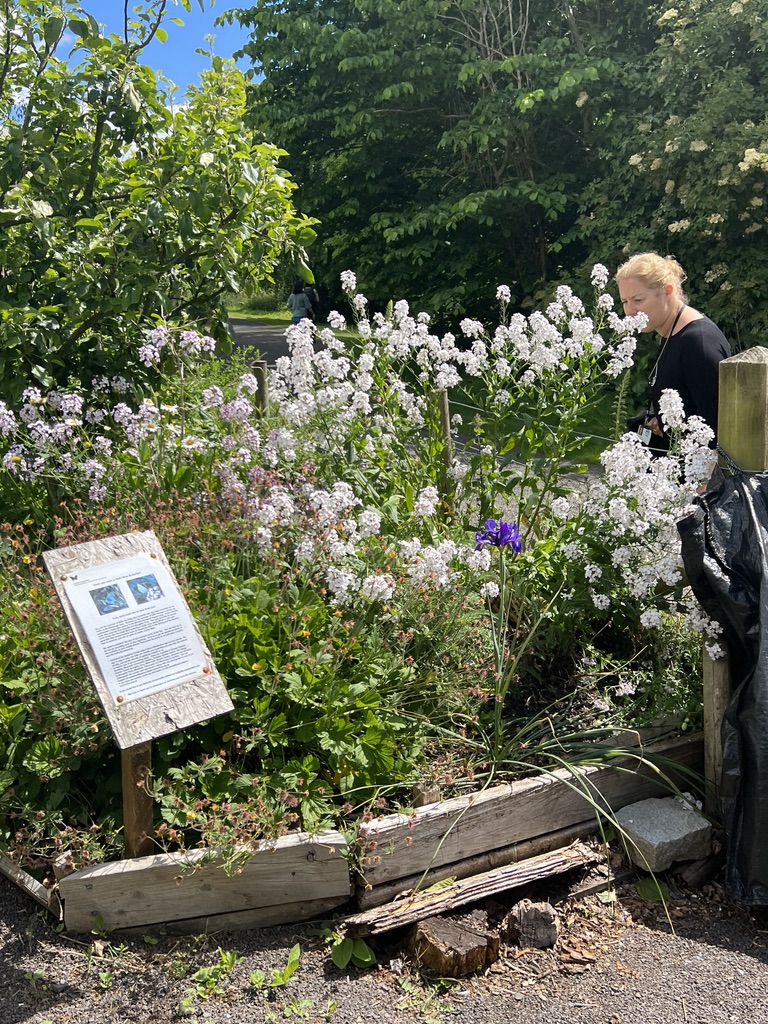
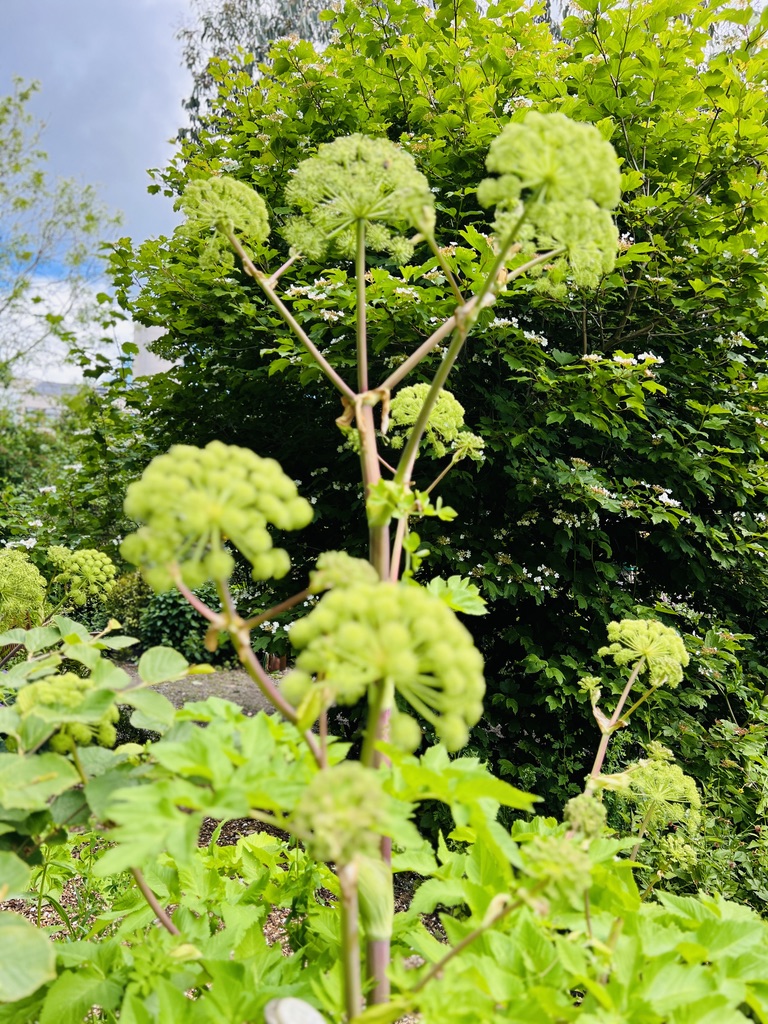
โ€œPatterns of Wellbeingโ€ consists of a series of artist books and zines based on five Medicinal Beds of the Physic Garden at Ninewells Community Garden. These beds are: Cardiology, Dermatology, Gastroenterology, Musculoskeletal and Respiratory.

๐ŸŒฟ Traditional Uses

Explore centuries-old remedies and their historical applications in healing practices.

๐Ÿ”ฌ Modern Research

Scientific studies validating the therapeutic compounds found in medicinal plants.

๐Ÿ“ฑ Interactive Guide

Step-by-step instructions for cultivation, harvesting, and preparation methods.

๐ŸŒฑ Sustainable Practice

Eco-friendly approaches to growing and maintaining your medicinal garden.
Mobile App

Cardiology Plants

Discover plants traditionally used for heart health and cardiovascular wellness.

ValerianMedicinal uses

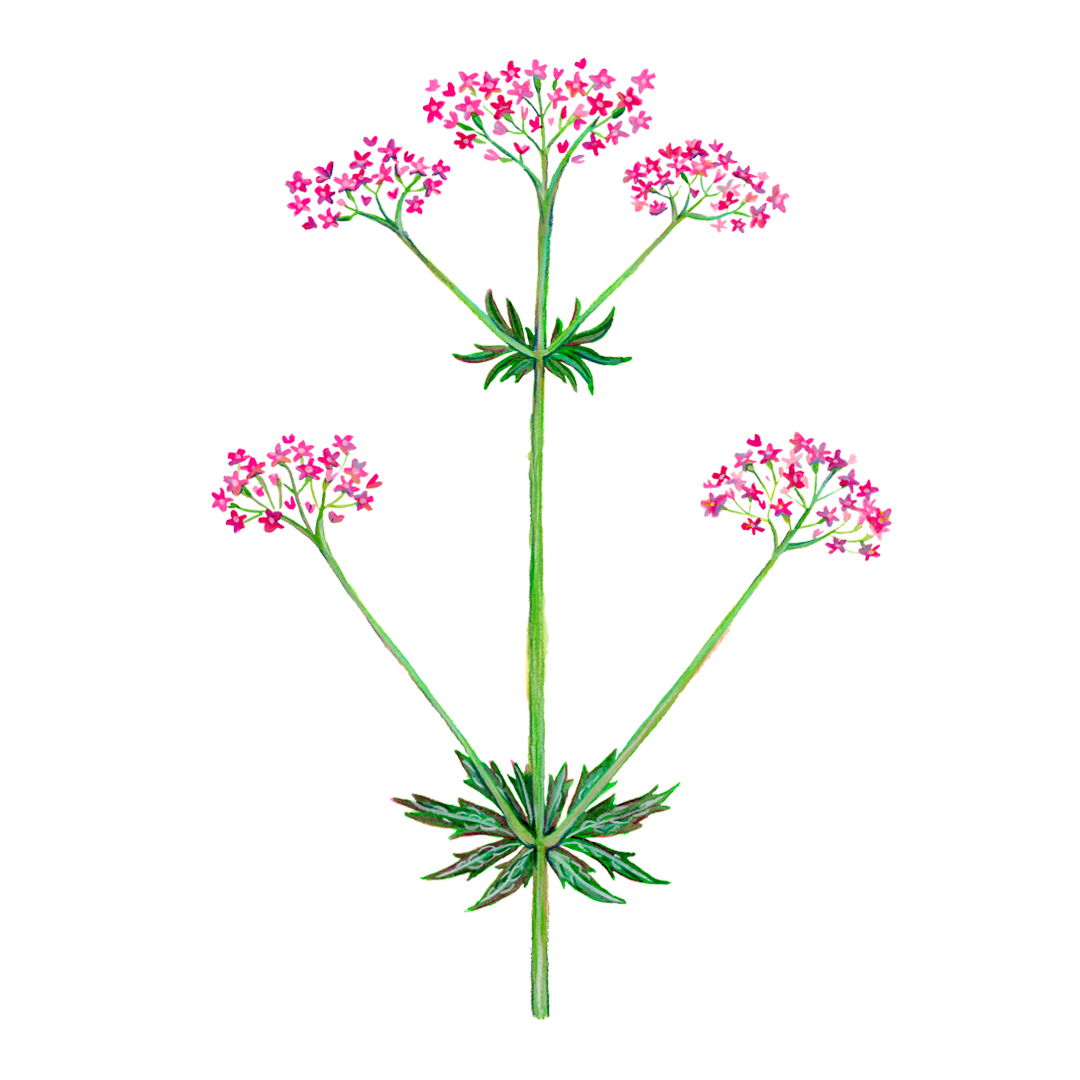
Valerian (Valeriana officinalis)

๐Ÿ’ฌ 10 ๐Ÿ‘๏ธ 10K ๐Ÿ•’ 5 min ago

Valerian is native to Europe and North-West Iran. This herb has been used in traditional medicine for centuries due to its calming properties. Nowadays, it is still widely used to treat anxiety and insomnia among other ailments. The fresh valerian plant extract can be used as remedy against insomnia. In medieval Europe, an infusion made from the plantโ€™s roots and rhizomes was also used to treat nervousness, trembling, headaches, and heart palpitations.

ValerianMedicinal uses

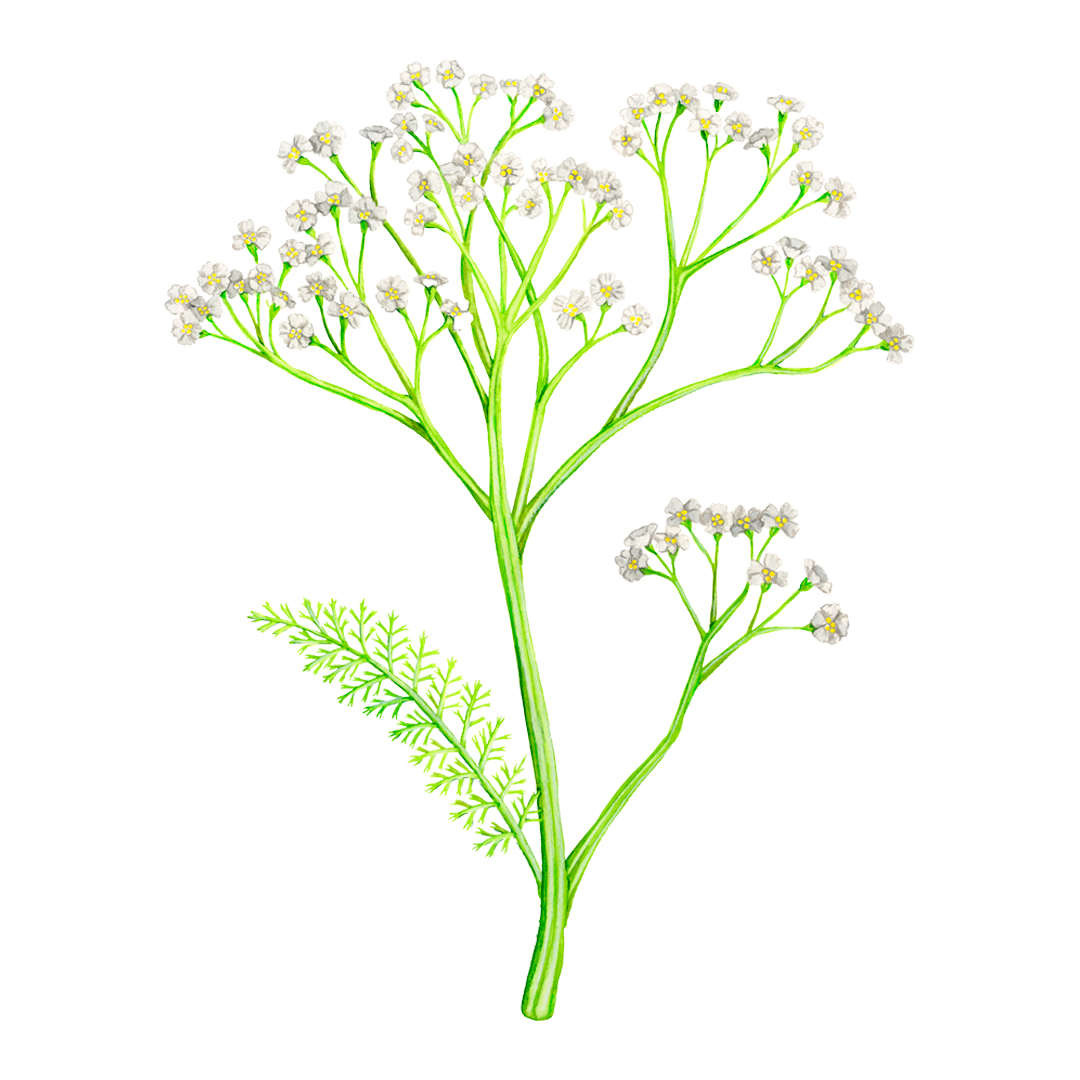
Yarrow (Achillea millefolium)

๐Ÿ’ฌ 50 ๐Ÿ‘๏ธ 15K ๐Ÿ•’ 7 min ago

This species is native to most of the Northern hemisphere temperate biomes, it is present in North and Central America, Europe and Asia. The medicinal properties of yarrow are globally recognised, and it is widely used in traditional and modern medicine. Traditional uses of yarrow include the treatment of cardiovascular diseases. Yarrow is believed to help lower blood pressure and encourage blood flow. However, yarrow leaves have also been traditionally used in ointments or poultices to treat wounds and stop excessive blood loss. Which is why yarrow is also commonly known as soldiersโ€™ woundwort.

RosemaryMedicinal uses

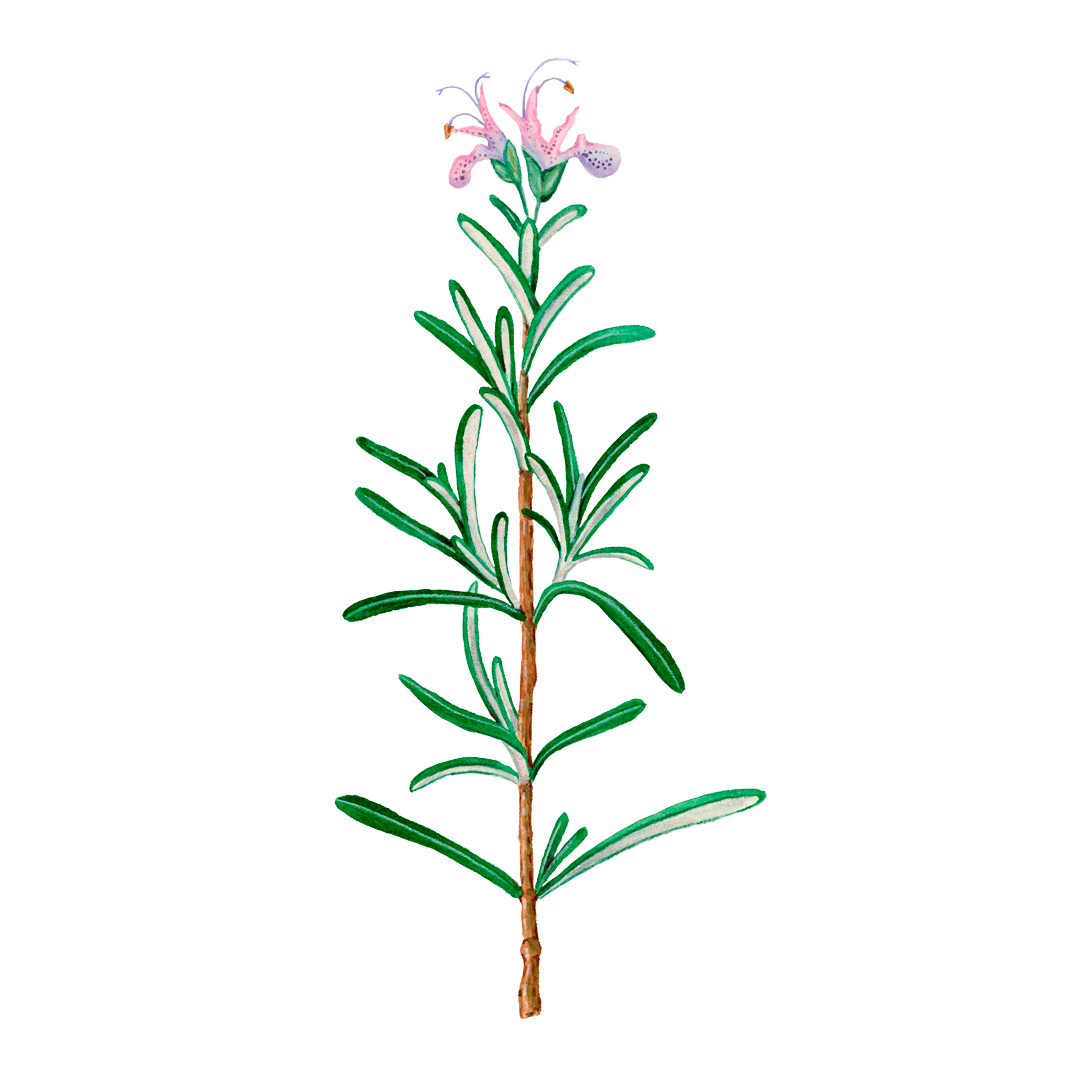
Rosemary ( Salvia rosmarinus)

๐Ÿ’ฌ 100 ๐Ÿ‘๏ธ 20K ๐Ÿ•’ 10 min ago

Rosemary is native to the mediterranean regions of Europe and North Africa. This herb is well known for its importance in gastronomy, as well as having been widely used in folk medicine for centuries. Rosemary extract, or an infusion made from either the fresh plant or dried leaves and flowers, is commonly used in traditional medicine. This is thought to combat a number of health issues such as rheumatic pain, fatigue, menstrual cramps, headaches or hypertension. Traditional Middle Eastern medicine uses rosemary for treating high blood-sugar levels. Rosemary is also believed to help improve blood circulation...

Dermatology Plants

Explore natural remedies traditionally used for skin health and dermatological care.

RedBergamotMedicinal uses

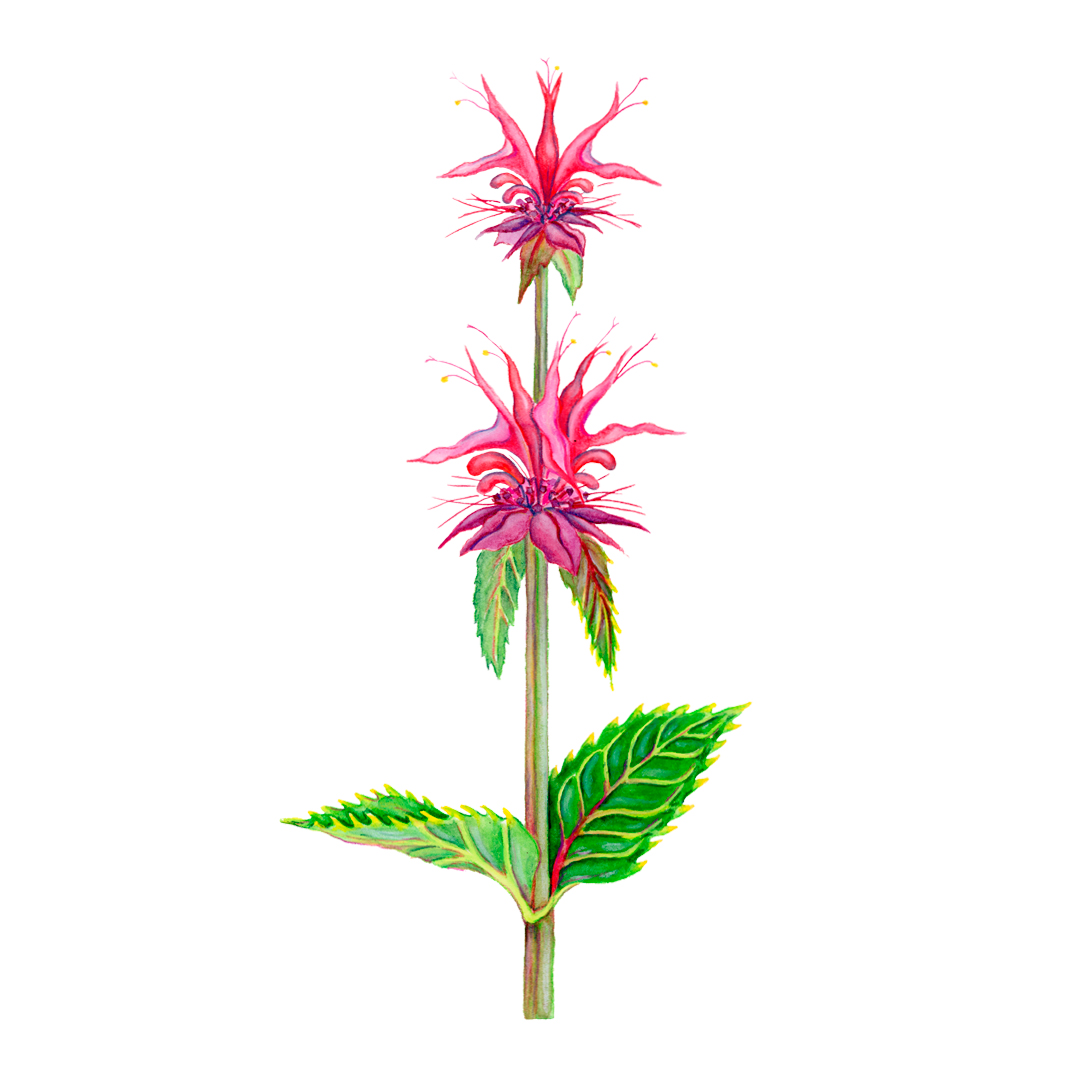
RedBergamot (Monarda Didyma)

๐Ÿ’ฌ 10 ๐Ÿ‘๏ธ 10K ๐Ÿ•’ 5 min ago

Red bergamot is native to the East coast of the USA and some areas in the East of Canada. Recent scientific studies have highlighted the potential antibacterial and anti-inflammatory properties of this species. Nevertheless, bergamot has been used by indigenous people in America for centuries with medicinal purposes including treatment of fever, cough, heart problems, headaches and bee stings. Both leaves and flowers of this species are edible. The Oswego native American communities use bergamot leaves and flowers for preparation of the โ€˜Oswego teaโ€™, used to treat many conditions, including digestive disorders. Oswego tea became popular amongst European settlers as a beverage to substitute regular tea after the well know Boston Tea Party and tea boycott.

MarigoldMedicinal uses

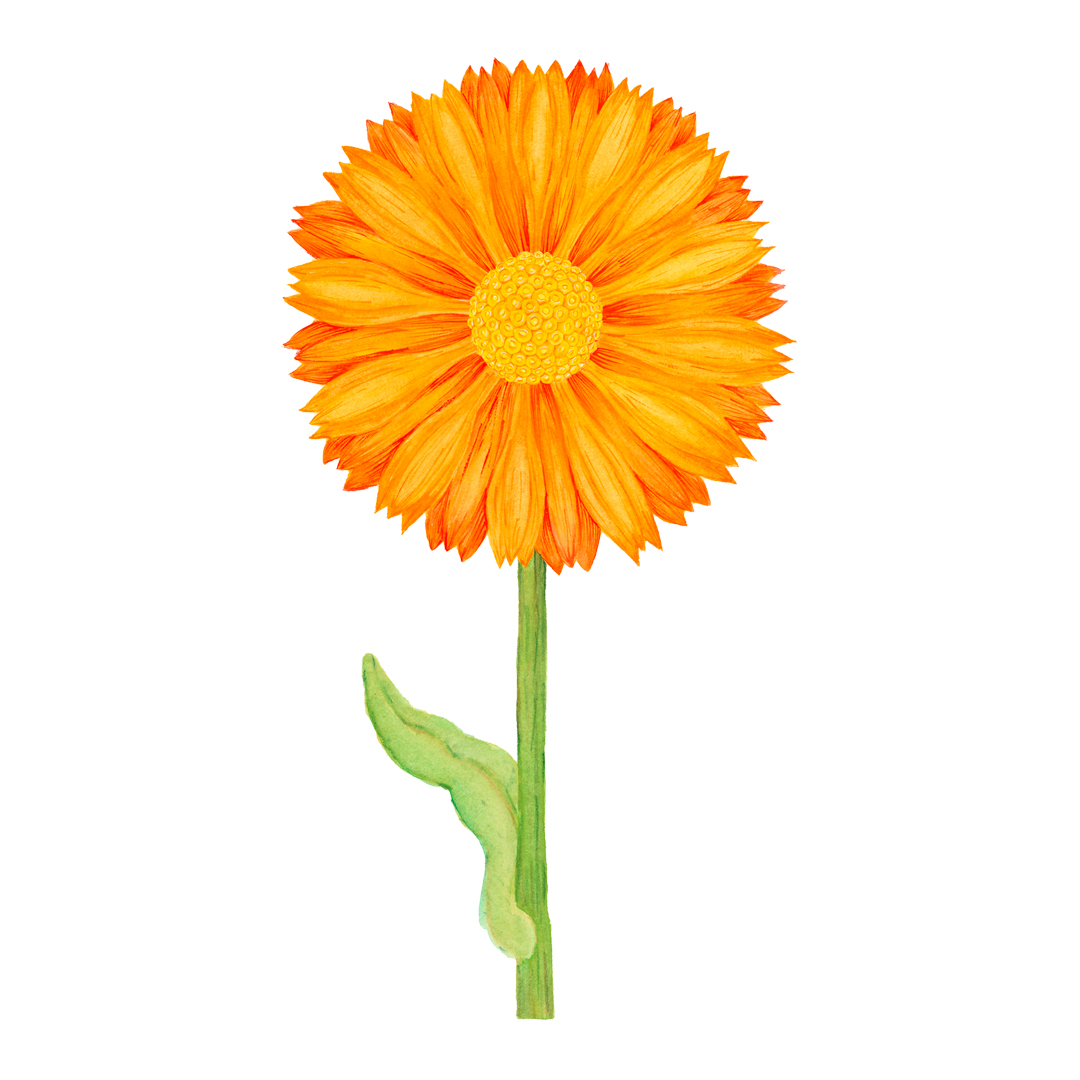
Marigold (Calendula officinalis)

๐Ÿ’ฌ 50 ๐Ÿ‘๏ธ 15K ๐Ÿ•’ 7 min ago

Native to the West Mediterranean area in Southern Europe, this species is now naturalised across Europe as well as Asia, Oceania and South America due to its popularity amongst gardeners. Both the large flowers and the leaves are traditionally used in the form of infusions, tinctures, creams and ointments to treat several conditions. For example, in Indian herbal medicine, ointments made from calendula flowers are used to treat herpes and scars. In Europe an ointment made from the flowers is traditionally used to heal burns. Common marigold is also widely used in the cosmetic industry. Studies suggest that the plant could promote skin repair and might help protect the skin against UV-induced damage.

Medicinal uses

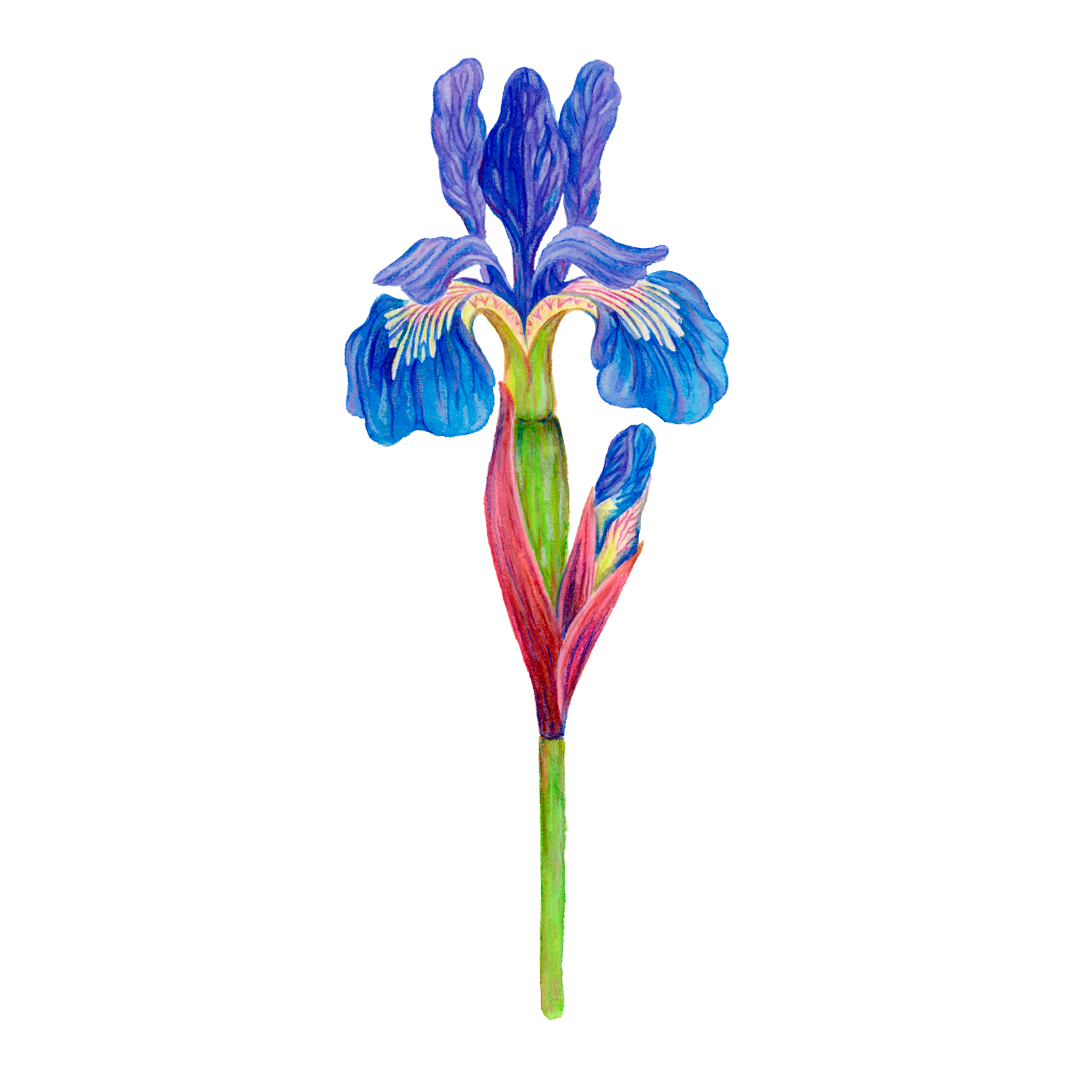
Blue Flag

๐Ÿ’ฌ 100 ๐Ÿ‘๏ธ 20K ๐Ÿ•’ 10 min ago

This species is native to North America, more specifically the East of Canada and North-East of the USA. Native Americans have traditionally used blue flag as a cathartic substance and to treat several diseases, from simple cold to cholera or syphilis. The Muscogee indigenous people in North America lightly cook the root, mash it between stones and use the paste to treat ulcers. Blue flag is known to help with minor skin conditions such as mild cases of acne or eczema. In modern medicine, this plant is the main ingredient in medications used to combat mastodynia (a condition that causes swelling and tension on the skin in the breast area).

Medicinal Beds

The seven beds in our physic garden have been planted according to the type of illness they are traditionally used to treat. Please note that they are for educational purposes only and are not to be considered as treatment suggestions. Herbal remedies should only be taken under the direction of an experienced healthcare professional.

CardiologyMedicinal uses

Our Cardiology Ward is part of our physic garden

Our Cardiology Ward forms part of our physic garden and includes plants traditionally used for heart health and cardiovascular support.

DermatologyMedicinal uses

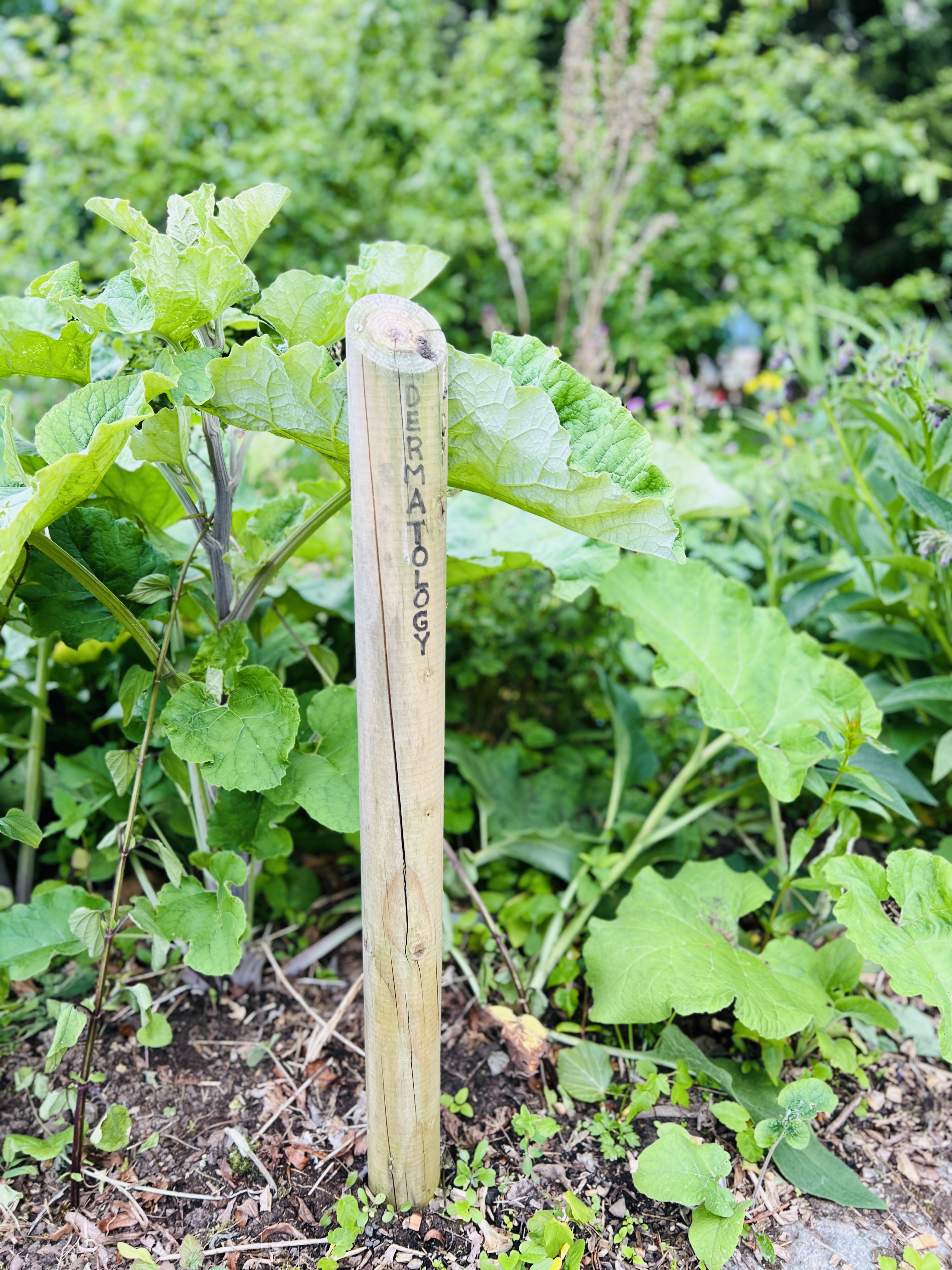
Our Physic Garden: The Dermatology Ward

Our Dermatology Ward forms part of our physic garden and includes plants traditionally used for skin health and dermatological care.

CardiologyMedicinal uses

A Walk Through Our Physic Garden: The Respiratory Ward

Our Respiratory Ward forms part of our physic garden and includes plants traditionally used for respiratory health and breathing support.

Connect to the Garden with your Smart phone


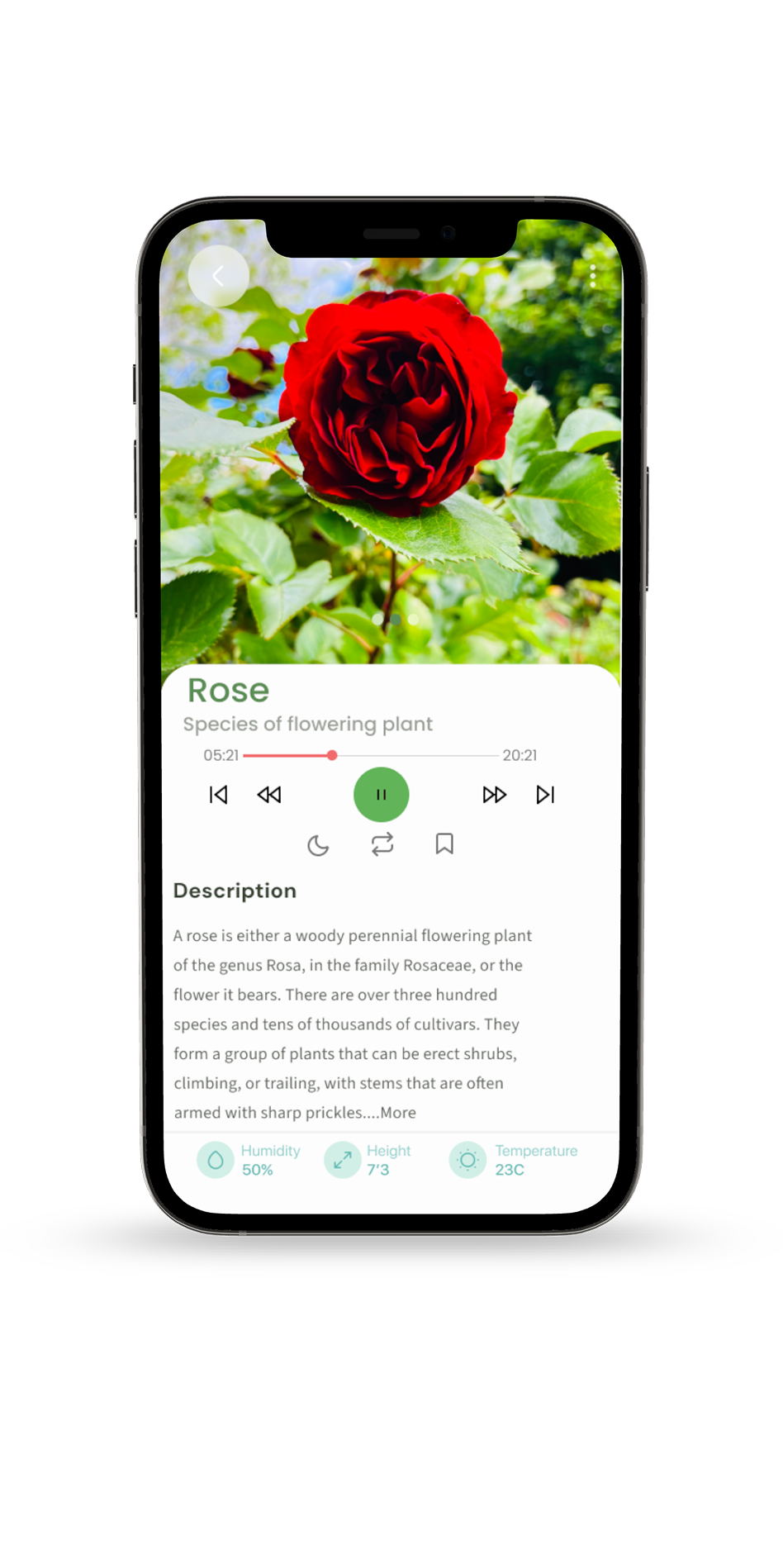
Connecting to the Ninewells Community Garden with a mobile phone transforms the experience from passive observation to interactive engagement. Users can scan QR codes on plants for instant information and audio descriptions, watch virtual tours, listen to garden soundscapes, or access event calendars and volunteer opportunities. This mobile integration bridges the physical and digital, enhancing learning, accessibility, and allowing users to carry the garden's essence with them, even when they're not physically present.

Mobile App

Disclaimer

Disclaimer: All content provided is for educational and informational purposes only. It is not intended as, and should not be used as a substitute for, professional medical advice, diagnosis, or treatment. Always consult with a qualified medical practitioner for any health concerns or before making any decisions related to your health.